Online Gaming Safety: How to Play Securely
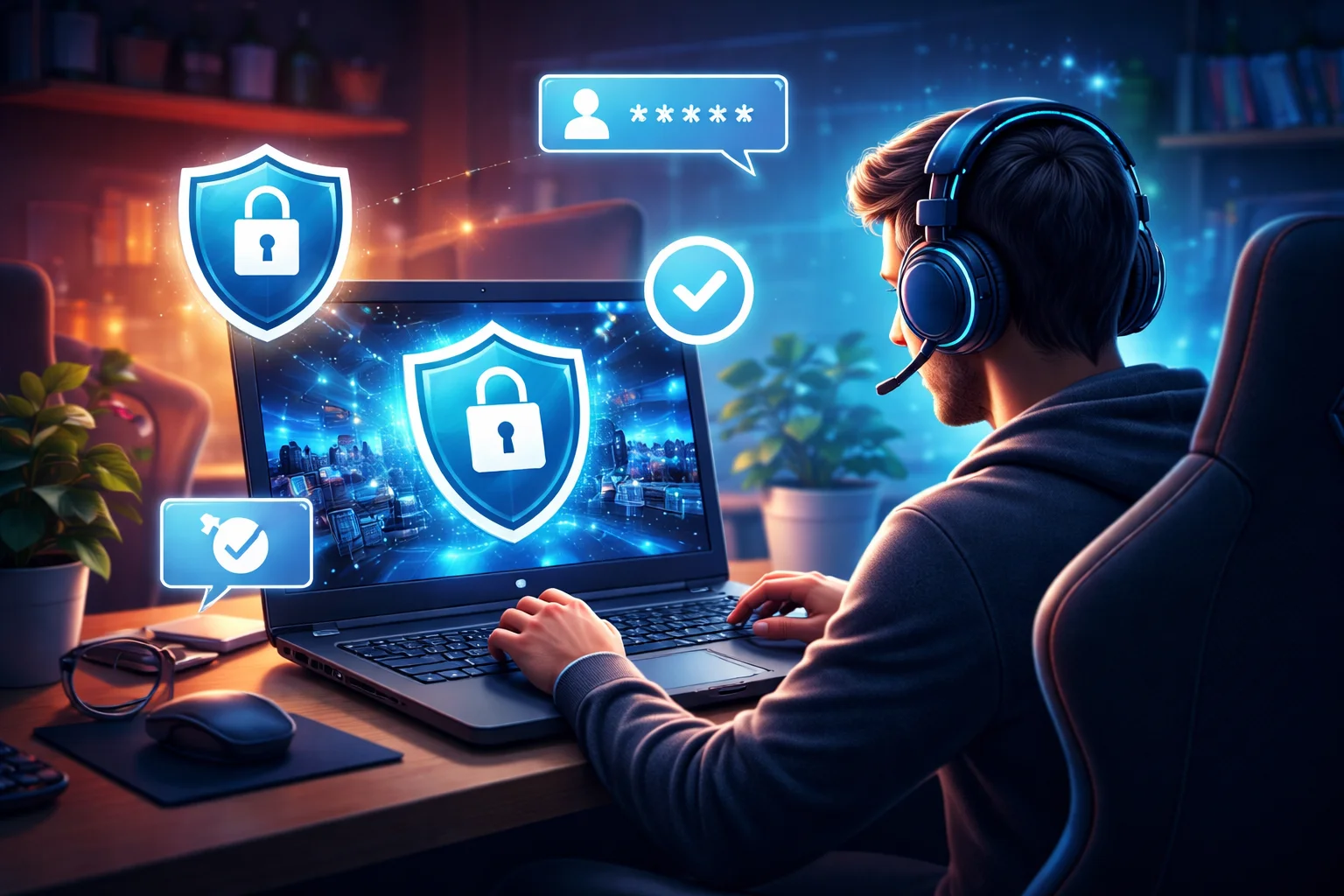
Online games are meant to be fun, social, and exciting. But for many players, there’s also a quiet worry in the background: Is my account safe? Are my kids protected? Can someone steal my information? If you’ve ever felt unsure about what’s safe to click, who to trust, or how to protect yourself while gaming, you’re not alone. This guide will walk you through the real risks of online gaming and, more importantly, what you can actually do to stay secure—without becoming paranoid or overcomplicating things. Why online gaming safety matters more than ever Online games are no longer just games. They are social networks, marketplaces, and communication platforms rolled into one. That means: You’re chatting with strangers. You’re storing personal data in accounts. You may be linking payment methods. You’re interacting in real time with people from all over the world. For most players, nothing bad ever happens. But when something does go wrong, it usually comes from simple mistakes that are easy to avoid. It’s not just about hackers When people hear “online safety,” they think of hackers. In reality, most problems come from: Fake links and scams Impersonation Toxic or manipulative players Weak passwords Oversharing personal information Understanding these risks is the first step to avoiding them. What are the most common online gaming risks? Before learning how to stay safe, it helps to know what you’re actually protecting yourself from. Account theft and hacking This usually happens when: A player uses the same password everywhere. Someone clicks a fake “free skins” or “free coins” link. Login details are shared with a “friend” who isn’t really a friend. Once an account is stolen, it can be sold, wiped, or used to scam others. Scams and fake offers If it sounds too good to be true, it usually is. Common examples: “Free in-game currency” websites Fake giveaways in chat Messages pretending to be from game support Links promising rare items or upgrades These are designed to steal your login details or install malware. Toxic behavior and harassment Not all risks are technical. Some are emotional and social. This includes: Verbal abuse Threats Manipulation Grooming (especially concerning for younger players) These experiences can seriously affect confidence and mental well-being. How can I protect my gaming accounts? This is the foundation of online gaming safety. If your account is secure, you’ve already avoided most problems. Use strong, unique passwords A strong password: Is long (12+ characters) Includes letters, numbers, and symbols Is not used on any other site Avoid: Your name Birthdays “123456” or “password” Game-related words A password manager can make this easy without needing to remember everything. Turn on two-factor authentication (2FA) If your game platform offers it, enable it. This means: Even if someone gets your password, they still can’t log in without a code sent to your phone or email. It’s one of the simplest and most effective safety steps you can take. Never share login details Not with: Friends Teammates “Support staff” in chat Anyone offering help Real game companies will never ask for your password. How do I avoid scams and fake links in games? Scams in gaming are clever because they blend into normal chat and community spaces. Be cautious with in-game messages If someone messages you with: A link An offer A deal A “warning” about your account Pause before clicking. Ask yourself: Do I know this person? Did I request this? Is this coming from an official source? When in doubt, ignore and report. Avoid “free reward” websites Most legitimate rewards: Are inside the game Are on the official website Are announced through official channels Random sites offering free items are usually trying to steal your login information. Check URLs carefully Scam sites often look almost real: Slight spelling changes Extra letters Different endings For example: game-rewards.com vs gamee-rewards.com That small difference matters. How can I stay safe when chatting with other players? Online games are social spaces. That’s part of their appeal. But social interaction also comes with risks. Don’t overshare personal information Avoid sharing: Your real name Address School or workplace Phone number Daily routines Even if someone seems friendly, you don’t really know who they are. Be careful with voice chat Voice chat can feel more personal and trustworthy. But remember, people can still pretend to be someone they’re not. If someone: Makes you uncomfortable Pushes boundaries Asks personal questions You’re allowed to mute, block, or leave. No explanation needed. Trust your instincts If a conversation feels “off,” it probably is. You don’t owe anyone your time, attention, or information. What should parents know about online gaming safety? If you’re a parent, online gaming safety is not about fear. It’s about awareness and guidance. Understand the games your child plays Know: Who they play with Whether the game has chat What kind of community it has You don’t need to play the game, but you should understand the environment. Use parental controls Most consoles and platforms allow you to: Limit chat Control who can message Restrict purchases Set playtime limits These tools exist to help, not to spy. Talk openly, not critically Children are more likely to share problems if they don’t feel judged. Instead of: “Why did you do that?” Try: “Did anything weird happen today while playing?” The tone matters. How do I handle harassment or toxic behavior? Sadly, toxic behavior exists in many online spaces, including games. Don’t engage with abuse Arguing usually makes it worse. Most toxic players want attention. Mute, block, and move on. Use reporting tools Games include reporting features for a reason. Using them helps protect not just you, but others too. Take breaks if needed If a game starts to feel stressful instead of fun, step away. Your mental health matters more than any match. Are in-game purchases and payments safe? They can be, as long as you’re careful. Use secure payment methods Avoid saving payment details on shared devices. Use platform wallets or gift cards if possible. Watch